Every year, large amounts of food are lost or wasted before they can be consumed. The International Day of Awareness of Food Loss and Waste, observed on 29 September, offers a moment to understand its scale.
What does the latest data tell us, and why does awareness still matter?
Food Loss and Waste in 2026
The United Nations established the day in 2019, designating 29 September as an annual occasion for raising awareness and encouraging action.
It also supports Sustainable Development Goal 12.3, which calls for halving per capita food waste at retail and consumer levels and reducing losses along production and supply chains by 2030.
The 2026 observance focuses on the “Transformative Potential of Reducing Food Loss and Waste”, linking the issue with food security, natural resources, climate and economic activity.
Food Loss and Waste by the Numbers
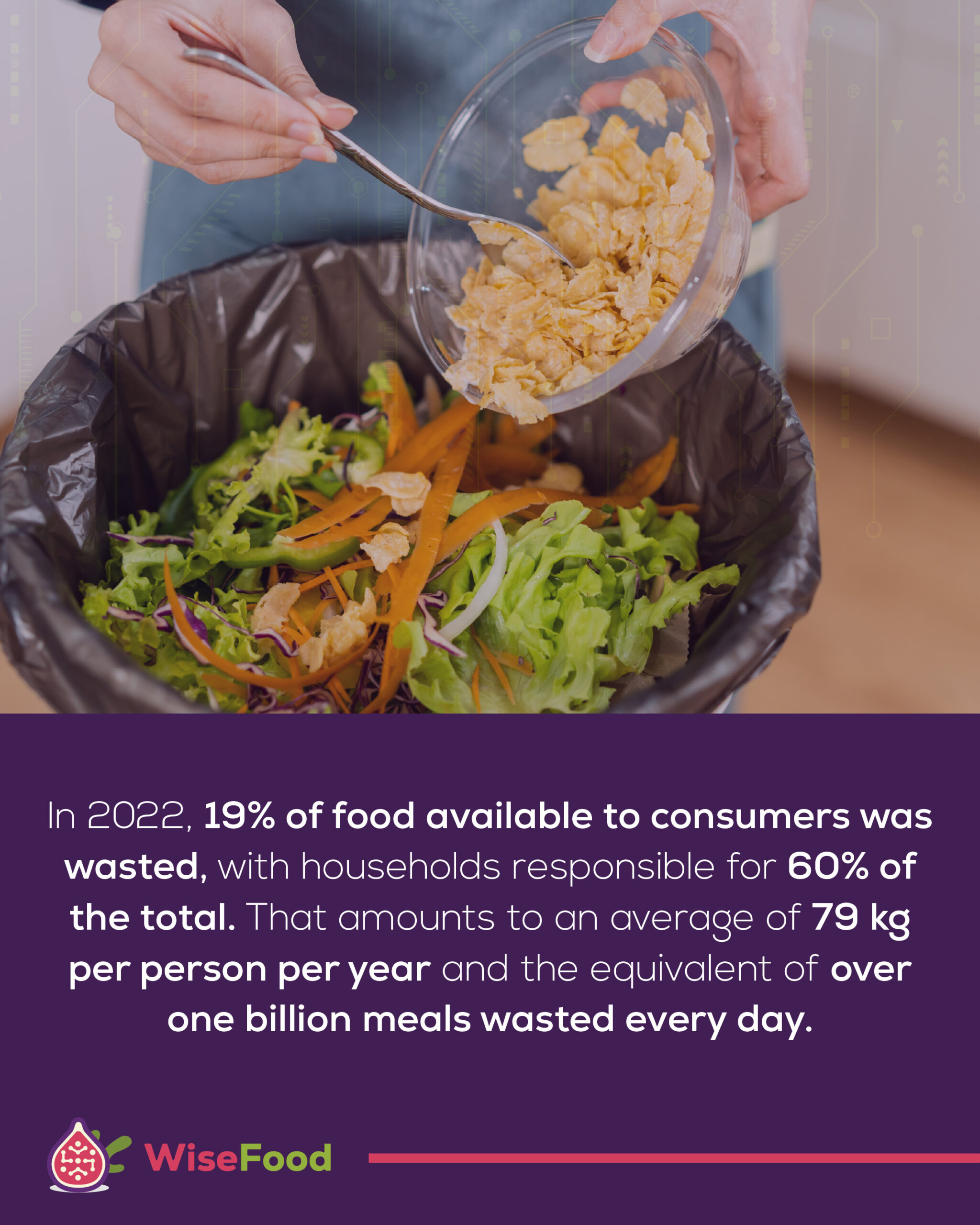
According to UNEP’s Food Waste Index Report 2024, 19% of food available to consumers was wasted in 2022 across retail, food service and households.
Households accounted for 60% of this waste, with an average of 79 kg wasted per person each year. That means more than one billion meals of edible food are wasted in households every day.
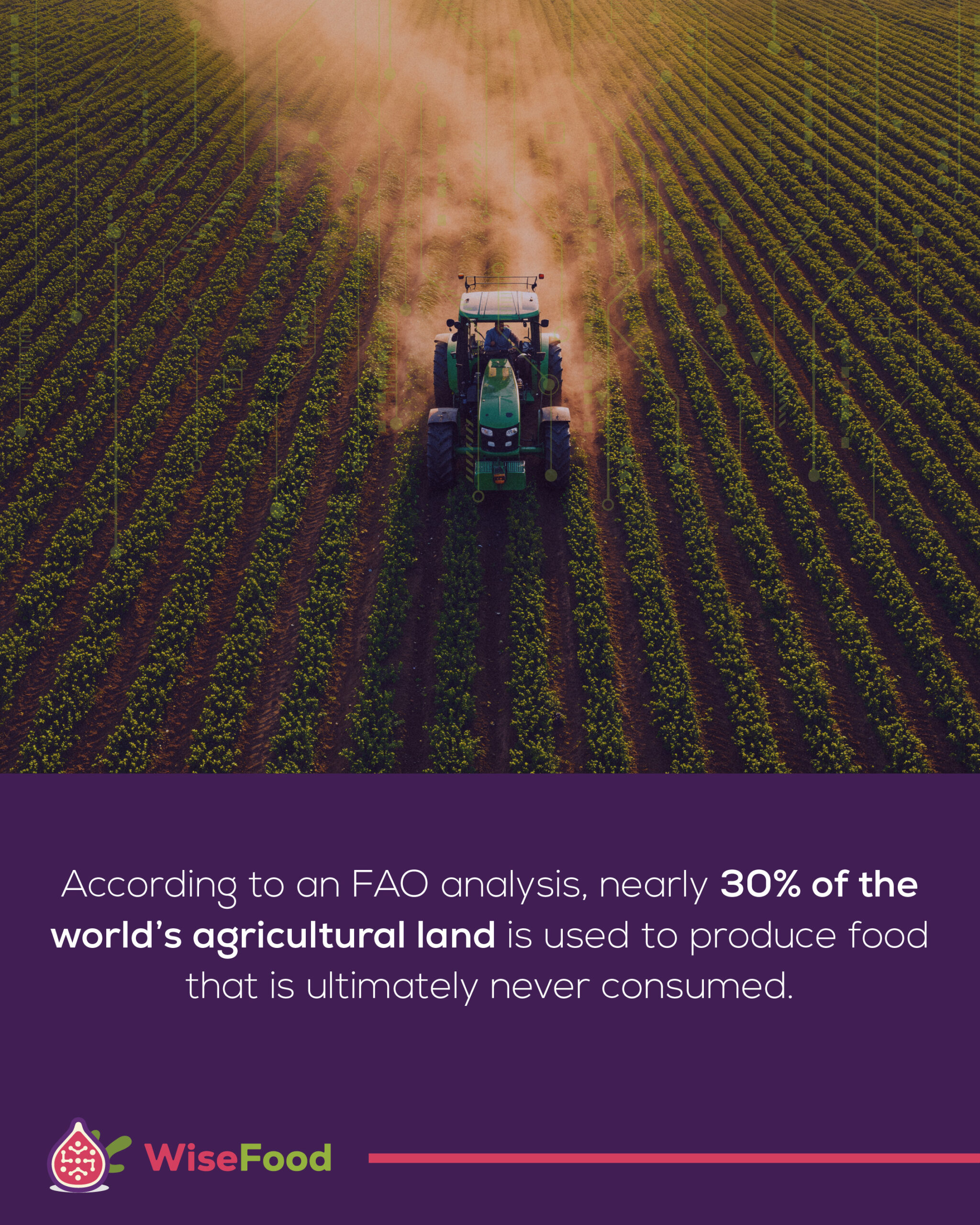
Food that is never eaten still requires land, water, energy, labour and transport. FAO estimates that food which is ultimately never consumed occupies nearly 30% of the world’s agricultural land.
Reducing this waste is also about using resources more efficiently. It connects farms and supply chains with shops, restaurants and homes.
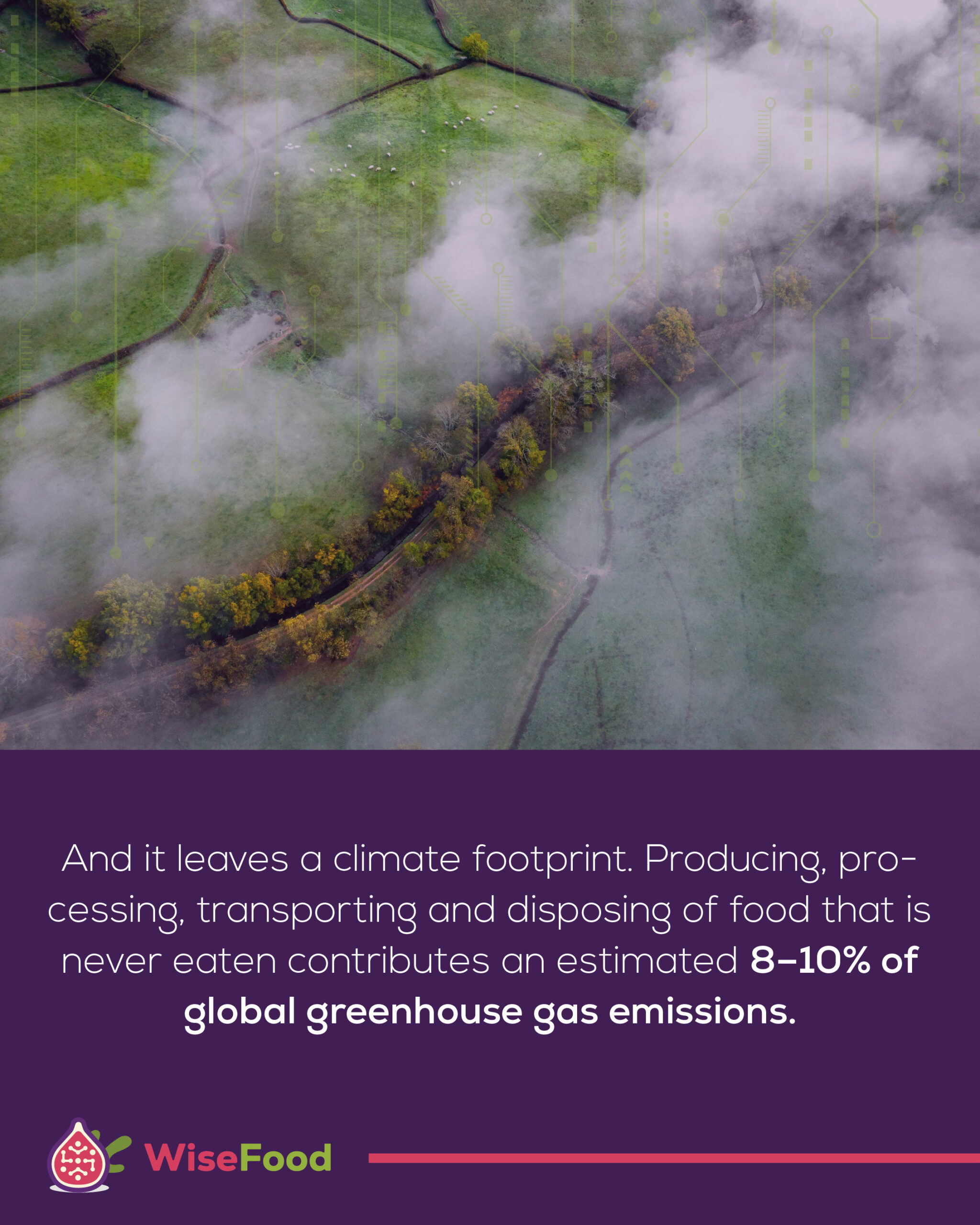
The climate impact is also significant. FAO estimates that Food Loss and Waste contributes around 8 to 10% of global greenhouse gas emissions.
These emissions come from producing, processing, transporting and disposing of food that is never consumed, so the environmental impact extends across the food system.
Food Loss and Waste Has Many Causes
There is no single reason why food is lost or wasted. Causes include harvesting and storage conditions, infrastructure, transport, processing, market requirements, purchasing habits, portion sizes and date label confusion.
Have you ever bought more food than you could use simply because it was on offer? Or thrown something away because you were unsure whether it was still safe to eat?
Awareness is not a solution on its own, but it can help people recognise where food is being lost or wasted and make practical changes.
Better measurement can show where action is needed, while digital tools can support more informed decisions. This is relevant to WiseFood, which is developing tools for healthier and more sustainable food choices.
FoodScholar, RecipeWrangler and FoodChat are designed to help users access information, adapt recipes and make better use of the food they already have. You can also try the WiseFood platform demo to explore these tools in practice.
Reducing food loss and waste requires more than telling people to waste less. It involves better information, practical tools and cooperation across the food system.
The day reminds us that the issue spans the entire food system. Take a moment to learn more, share reliable information and consider one practical change you can make.
Follow WiseFood on LinkedIn and visit our Newsroom for more insights, project updates and resources on healthier and more sustainable food systems.