How Consumer Habits Impact Food Waste?
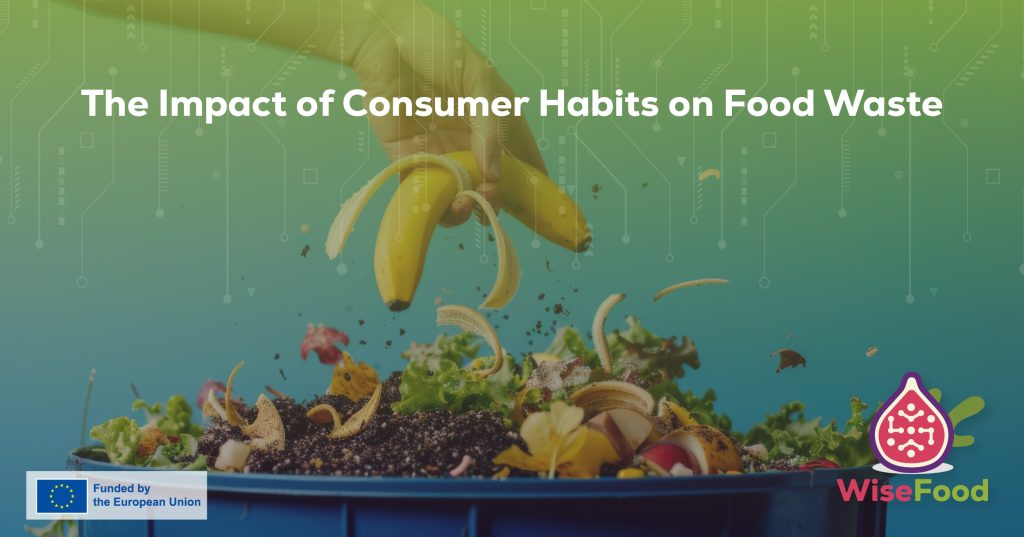
Every day, food is thrown away in homes, restaurants, workplaces, and canteens around the world. While food waste is often linked to supply chains or retailers, many losses happen after food has already reached the consumer.
Why does this happen, and what small changes can make a real difference? This article explores how everyday consumer habits influence food waste and offers practical tips that can help households reduce waste while saving money and making better use of the food they buy.
Food Waste Begins with Everyday Decisions
Food waste is rarely the result of a single action. Instead, it develops through a series of small decisions made before, during, and after shopping, cooking, and eating.
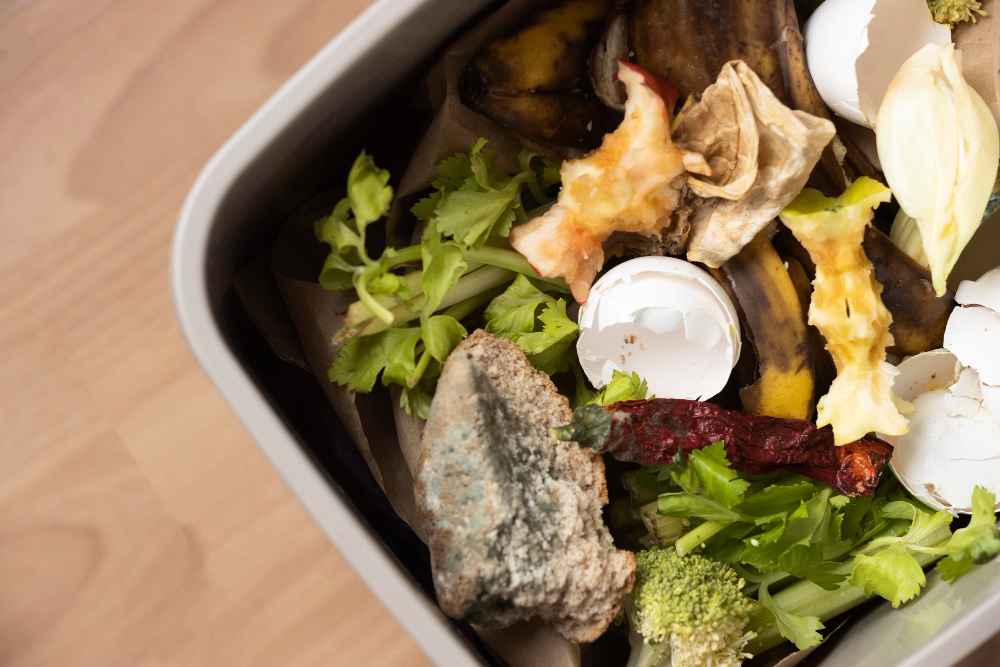
Choosing large portions, buying more than needed, forgetting food at the back of the fridge, or preparing excessive amounts can all contribute to unnecessary waste. Many of these behaviours become routines, making them difficult to notice.
Have you ever thrown away food simply because you forgot it was there?
Recognising these habits is often the first step towards reducing waste.
Habits Are Stronger Than We Realise
People often believe they make food choices based on careful planning. Research suggests that many decisions are actually shaped by routine, convenience, and the surrounding environment.
Study involving older adults living independently in a specific neighbourhood in the Netherlands, found that participants mainly attributed their eating habits to personal routines or food availability. However, closer observations showed that social settings, living arrangements, and neighbourhood facilities also influenced what people bought, prepared, and consumed.
Someone living alone may cook differently from a larger household. People who have easy access to local shops may shop more frequently and buy only what they need, while others may purchase larger quantities less often, increasing the risk of food spoiling before it is used.
These differences highlight that there is no single solution that works for everyone.
Portion Size Matters More Than Expected
One of the simplest ways to reduce food waste is by serving appropriate portions.
Research conducted in a university canteen examined two approaches to reducing plate waste. One involved displaying information posters encouraging people to waste less food. The other reduced portion sizes for selected meals.
The results showed that smaller portions led to lower levels of plate waste because diners consciously recognised that they had received a more suitable amount of food. Rather than feeling deprived, many simply finished what was on their plates.
This finding raises an important question. Do we always need as much food as we serve ourselves?
Serving smaller portions does not mean eating less overall. It simply allows people to take additional food if they are still hungry, instead of throwing away leftovers.
Information Can Help, but Behaviour Is More Complex
Providing information about food waste can encourage people to think differently about their choices. However, awareness alone does not always produce the same outcome for everyone.
In the same university study, information posters influenced people’s attitudes and increased awareness about food waste. Some participants responded by making an effort to finish everything on their plates. Others changed both their eating habits and their meal choices.
These different reactions produced different results, showing that behaviour depends on individual motivations as well as the surrounding environment.
Educational campaigns remain useful, but they tend to work best when combined with practical changes that make reducing waste easier.
The Hidden Cost of Household Food Waste
Many people underestimate how much food they throw away over the course of a year.
A detailed Canadian study followed households with young children over several weeks, examining food purchases, consumption, and waste. Researchers found that the average household generated almost three kilograms of avoidable food waste every week.
The impact extended well beyond the food itself. The wasted food represented financial losses, thousands of unused calories, and unnecessary greenhouse gas emissions associated with producing, transporting, and disposing of that food.
There Is No Universal Solution
People waste food for different reasons. Families with young children face different challenges from students, older adults, or people living alone.
Research increasingly shows that successful approaches should consider personal routines, household size, shopping opportunities, and social circumstances. A strategy that works well in one setting may be less effective somewhere else.
For this reason, combining education with practical tools and realistic advice often produces better results than relying on awareness campaigns alone.
Practical Habits That Reduce Waste
Reducing food waste does not require major lifestyle changes. Small adjustments can gradually become everyday habits.
Some simple approaches include:
- Plan meals before shopping.
- Check what you already have at home.
- Buy realistic quantities instead of shopping for ideal scenarios.
- Serve smaller portions and take more if needed.
- Store food correctly to extend freshness.
- Use leftovers in new meals instead of discarding them.
- Freeze food that will not be eaten in time.
- Choose flexible ingredients that can be used in several meals.
- Learn the difference between “use by” and “best before” dates.
These actions may seem modest on their own, but together they can noticeably reduce household food waste.

How WiseFood Supports Smarter Food Choices
Reducing food waste starts with better everyday decisions, but having the right support can make those decisions easier. The WiseFood project is developing three AI powered applications to help consumers eat more healthily and sustainably.
- FoodScholar will answer questions about the nutritional value and environmental impact of food through a simple natural language interface.
- RecipeWrangler will analyse recipes and suggest healthier and more environmentally friendly ingredients or cooking alternatives.
- FoodChat will provide personalised meal plans and recipe recommendations tailored to users’ preferences, with a particular focus on reducing food waste by helping people make better use of the food they already have and plan meals more efficiently.
Follow the WiseFood LinkedIn page and visit the Newsroom to stay up to date with practical tips, research insights, and the latest developments on the digital tools being created to support healthier eating, more sustainable food choices, and less food waste at home.
References
- Bukman, A.J., Ronteltap, A. & Lebrun, M. Interpersonal determinants of eating behaviours in Dutch older adults living independently: a qualitative study. BMC Nutr 6, 55 (2020). https://doi.org/10.1186/s40795-020-00383-2
- Lorenz-Walther BA, Langen N, Göbel C, Engelmann T, Bienge K, Speck M, Teitscheid P. What makes people leave LESS food? Testing effects of smaller portions and information in a behavioral model. Appetite. 2019 Aug 1;139:127-144. doi: 10.1016/j.appet.2019.03.026. Epub 2019 Apr 6. PMID: 30959084.
- von Massow M, Parizeau K, Gallant M, Wickson M, Haines J, Ma DWL, Wallace A, Carroll N, Duncan AM. Valuing the Multiple Impacts of Household Food Waste. Front Nutr. 2019 Sep 4;6:143. doi: 10.3389/fnut.2019.00143. PMID: 31552260; PMCID: PMC6738328.