How Technology is Shaping Food Waste Prevention
Food waste is a problem that affects the entire food system, from production and storage to retail and households. While technology cannot solve the problem on its own, it can help identify where waste occurs and support better decisions.
From AI and sensors to food sharing platforms and consumer apps, digital tools are creating new ways to prevent food from being wasted. But how effective are these solutions when technology is not matched with changes in behaviour, infrastructure and policy?
How Technology Can Reduce Food Waste Across the Supply Chain
Food can be lost or wasted at almost every stage of its journey. Poor storage conditions, inaccurate demand forecasts, transport delays, overproduction and consumer habits can all contribute to the problem.
Technology can help address these issues by providing information when decisions need to be made. AI and machine learning can analyse data to improve demand forecasting and inventory management, helping businesses produce, order and stock closer to actual demand.
Sensors and Internet of Things devices can also monitor temperature, humidity and other storage conditions. This is particularly useful for perishable products, where small changes in conditions can affect quality and shelf life.
In agriculture, digital technologies can support more precise production decisions. Field sensors, satellite data, drones and other monitoring tools can provide information about crop conditions and expected yields. Better production planning can help reduce the risk of producing more food than the market can absorb.

Using Technology to Prevent Food Waste Before It Happens
Prevention is preferable to dealing with food after it has already become waste. This means identifying potential losses early and acting before food becomes unsuitable for consumption.
At processing and manufacturing stages, AI powered quality control systems can identify irregularities on production lines. Better monitoring can reduce unnecessary rejection and help businesses identify where inefficiencies are occurring.
Technology can also help make better use of materials that would otherwise be discarded. Food processing byproducts such as fruit peels and vegetable residues can be redirected towards animal feed, bioenergy, biodegradable materials or other applications.
Traceability systems can provide another layer of information. By tracking products throughout the supply chain, businesses can identify where problems occur and respond more quickly to quality or safety issues.
How Digital Platforms Are Changing Food Waste
Technology is also changing how surplus food is handled once it reaches shops, restaurants and households.
Digital platforms can connect businesses with consumers who are willing to purchase surplus food at a lower price. Other platforms allow individuals to share food locally or connect businesses with charities and food organisations.
These approaches create a practical alternative to throwing away food that is still suitable for consumption. They can also provide financial benefits for businesses and consumers while keeping food within the food system for longer.
However, digital platforms are not without limitations. Some consumer apps are closely connected to particular brands or retailers and may recommend products based on commercial interests. This can make it harder to distinguish between a tool designed primarily to reduce waste and one designed to encourage additional purchases.
There is also a wider concern. If businesses know that surplus can easily be sold or redistributed, could this reduce the incentive to address overproduction in the first place?
The most effective approach is therefore to prioritise prevention, with redistribution used when surplus cannot be avoided.
Helping Consumers Make Better Food Decisions
Households are another important part of the food waste picture. Over purchasing, poor meal planning, incorrect storage and confusion about food labels can all result in edible food being discarded.
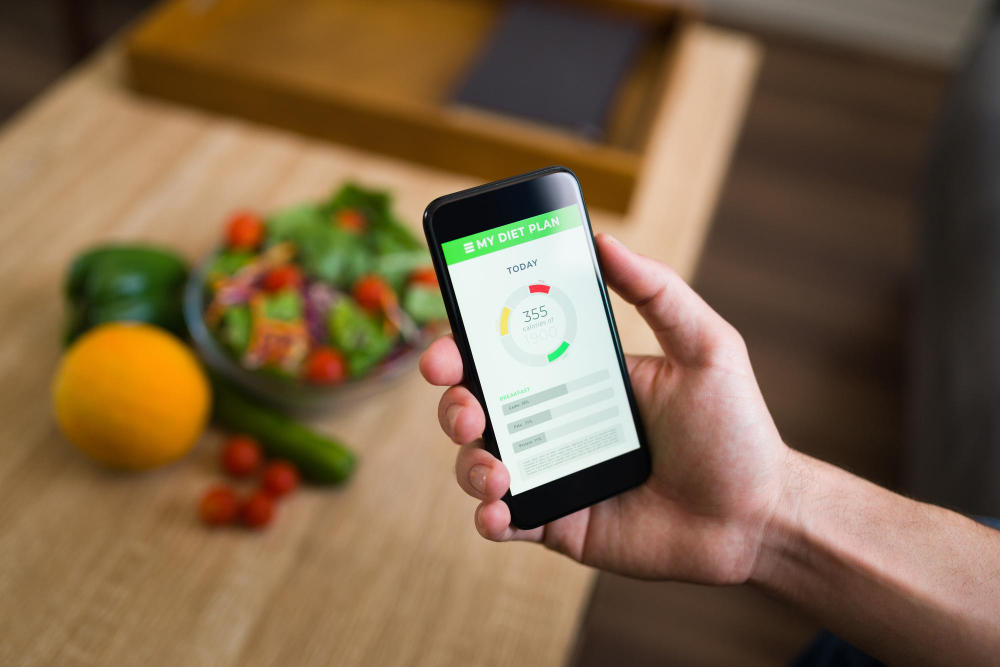
Digital tools can support consumers at several points. Meal planning applications can help people organise what they already have before shopping, while inventory tools can remind users about products approaching their expiry dates.
Other platforms provide recipes based on available ingredients, helping households find ways to use food before it goes to waste. Information about storage, seasonality and food labels can also help consumers make more informed decisions.
Yet having an app does not automatically change behaviour. People still need to use the information and adapt their habits. This is why technology works best when it is combined with clear information, practical guidance and incentives that make sustainable choices easier.
Technology Needs to Match Local Needs
There is no single technological solution that will work everywhere. The causes of food waste vary considerably between countries and income groups.
In many high income countries, waste is more concentrated at retail and household levels. AI based forecasting, smart packaging, digital inventory systems and food sharing platforms can therefore address some of the challenges associated with over purchasing and surplus.
In lower income settings, food losses often occur earlier in the supply chain because of inadequate storage, transport and refrigeration. In these contexts, relatively simple solutions such as solar powered cold storage, improved preservation techniques and affordable mobile tools may have a greater impact than complex digital systems.
This distinction matters because technology is only useful when people can access and use it. Cost, connectivity, infrastructure, digital skills and local practices all influence whether a solution can work in practice.
Why Technology Alone Is Not Enough
Technology can provide better information and more efficient processes, but food waste is also a behavioural, economic and policy issue.
Consumers need to understand how to plan, store and use food. Businesses need incentives to reduce surplus rather than simply finding ways to dispose of it. Governments can support this through appropriate policies, infrastructure and awareness programmes.
There are also environmental considerations around technology itself. AI systems, smart devices and connected infrastructure require energy and resources. Smart packaging may improve food preservation while creating additional challenges for recycling.
For technology to contribute meaningfully to food waste prevention, its benefits need to outweigh these wider impacts.
How WiseFood Can Support Better Food Decisions
Projects such as WiseFood show how digital technologies can be used to support more informed and sustainable food choices.
WiseFood brings together AI based tools and digital solutions designed to support different parts of the food system. Its work includes applications such as FoodScholar, RecipeWrangler and FoodChat, which explore how AI can help people access information, make food related decisions and interact with food knowledge.
The wider goal is not simply to add another digital tool to people’s lives. It is to explore how technology can make useful food information more accessible and support decisions that can contribute to more sustainable food consumption.
Follow WiseFood on LinkedIn and visit the Newsroom to read more about the project, its activities and developments in AI and sustainable food systems.
References
- Agya, B. A. (2025). Technological solutions and consumer behaviour in mitigating food waste: A global assessment across income levels. Sustainable Production and Consumption, 55, 242–256. https://doi.org/10.1016/j.spc.2025.02.020
- Areche, F. O., Gondal, A. H., Landeo, O. T., Flores, D. D. C., Rodríguez, A. R., Pérez, P. L., Huaman, J. T., Roman, A. V., & Correo, R. J. M. Y. (2022). Innovative trends in reducing food waste and ensuring a more sustainable food system and environment. CABI Reviews. https://doi.org/10.1079/cabireviews202217053
- Benyam, A., Soma, T., & Fraser, E. (2021). Digital agricultural technologies for food loss and waste prevention and reduction: Global trends, adoption opportunities and barriers. Journal of Cleaner Production, 323, 129099. https://doi.org/10.1016/j.jclepro.2021.129099
- Cane, M., & Parra, C. (2020). Digital platforms: Mapping the territory of new technologies to fight food waste. British Food Journal, 122(5), 1647–1669. https://doi.org/10.1108/BFJ-06-2019-0391